Our Team
Global Hub
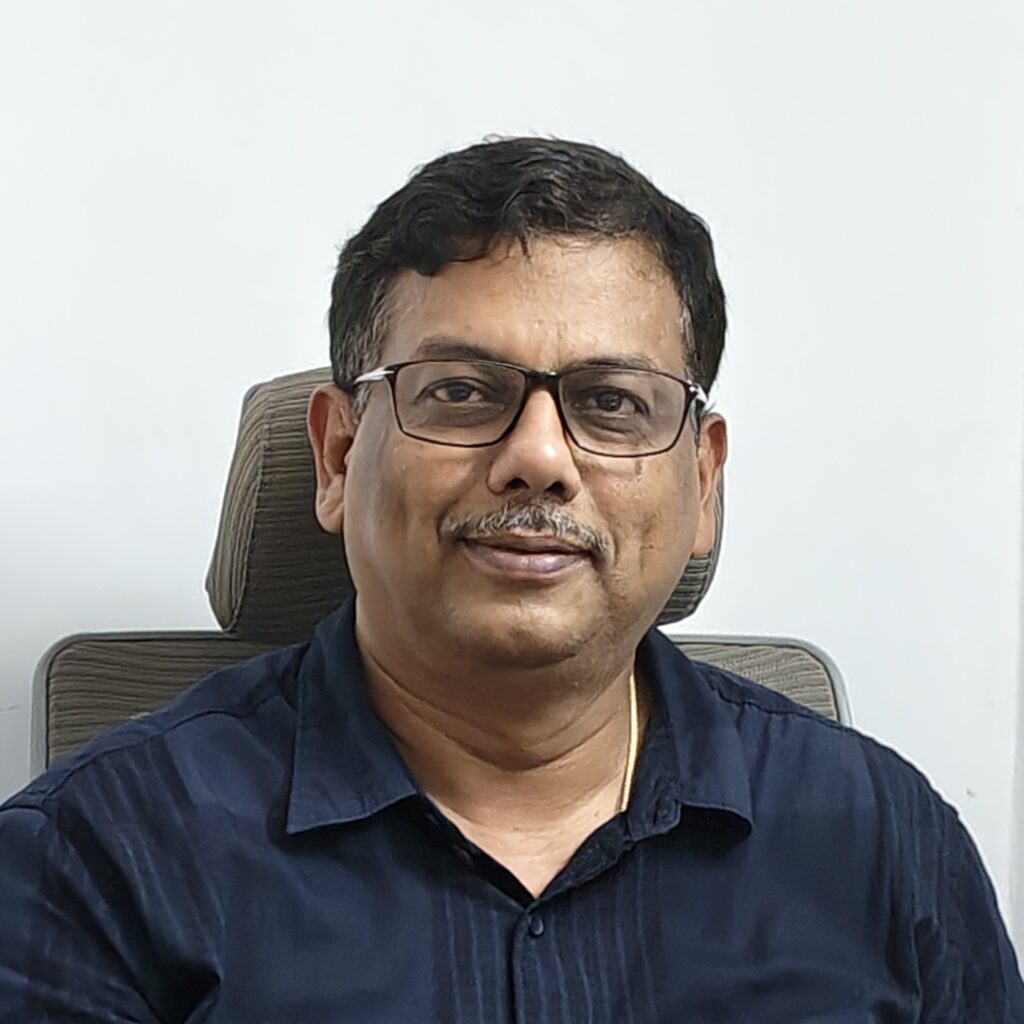
Dr. Elisabeth Gilmore
Principal Investigator
Dr. Elisabeth Gilmore is an Associate Professor in the Norman Paterson School of International Affairs and the Department of Civil and Environmental Engineering at Carleton University. She is internationally recognized for her interdisciplinary research that bridges engineering and public policy to advance urgent, effective, and equitable climate action. In 2025, Dr. Gilmore was elected to the Royal Society of Canada’s College of New Scholars, Artists and Scientists in recognition of her outstanding contributions to climate policy and interdisciplinary scholarship. Her research highlights the importance of inclusive institutions and participatory approaches for reducing climate vulnerability and fostering transformational adaptation. She served as a lead author for the Intergovernmental Panel on Climate Change, contributing to global assessments on climate impacts and adaptation. Gilmore also leads the PATH project, Equitable Adaptation Pathways for Climate Mobilities, where her leadership is central to shaping its interdisciplinary, community-driven research approach.
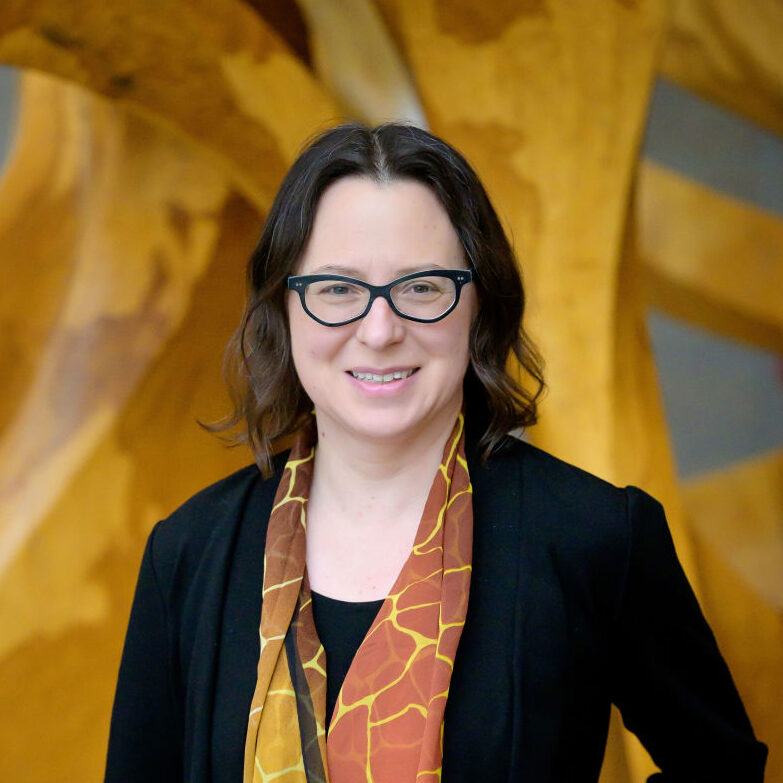
Dr. Liam O'Brien
Researcher
Liam O’Brien is a Professor in Civil and Environmental Engineering at Carleton University. He is the principal investigator of the Human Building Interaction Lab, which consists of a team of 15 researchers with diverse backgrounds in engineering, architecture, and design. In the past decade, he has led over $8-million of projects. His team is developing occupant-centric design processes, standards, and controls for high-performance buildings. He has authored over 250 publications and three books on these topics. He is currently an Operating Agent for the five-year, 100-researcher International Energy Agency Annex 95, titled “Human-centric buildings for a changing climate” and the past president of the Canadian chapter of the International Building Performance Simulation Association.
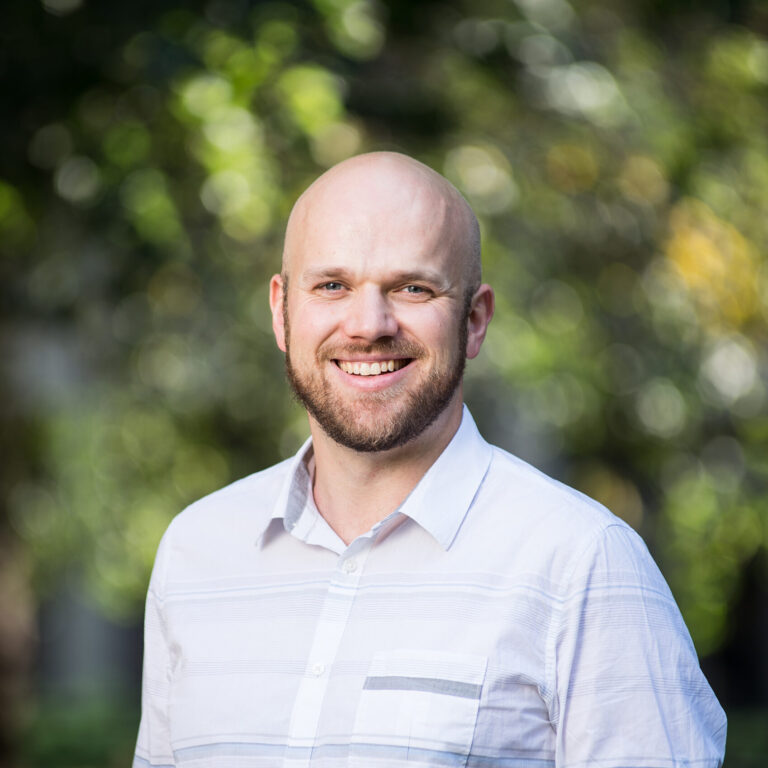
Dr. Katharine McNamara
Postdoctoral Fellow
Dr. Katharine McNamara is a Postdoctoral Fellow in the Department of Civil and Environmental Engineering at Carleton University. Her background in Environmental and Global Health and Anthropology anchors her interdisciplinary approach to researching local adaptation to changing environments and health ecologies. Her research pays particular attention to the dynamics, tensions, and collaborations that arise as communities and institutions adapt to environmental health challenges together. She draws on ethnography and creative methods to position local efforts to promote solidarity, empowerment, and resilience within the global context of emerging infectious disease, climate change, and natural resource extraction.

Jaee Nikam
Doctoral Student
Jaee Nikam holds a Master of Technology in Environmental Technology Management from Arizona State University. Jaee has 7 years of varied experience in international development and applied environmental policy research with organizations such as United Nations Environmental Program and Stockholm Environment Institute. She is currently pursuing a Doctorate in Environment Engineering with a focus on policy analysis for housing development and climate mobilities.

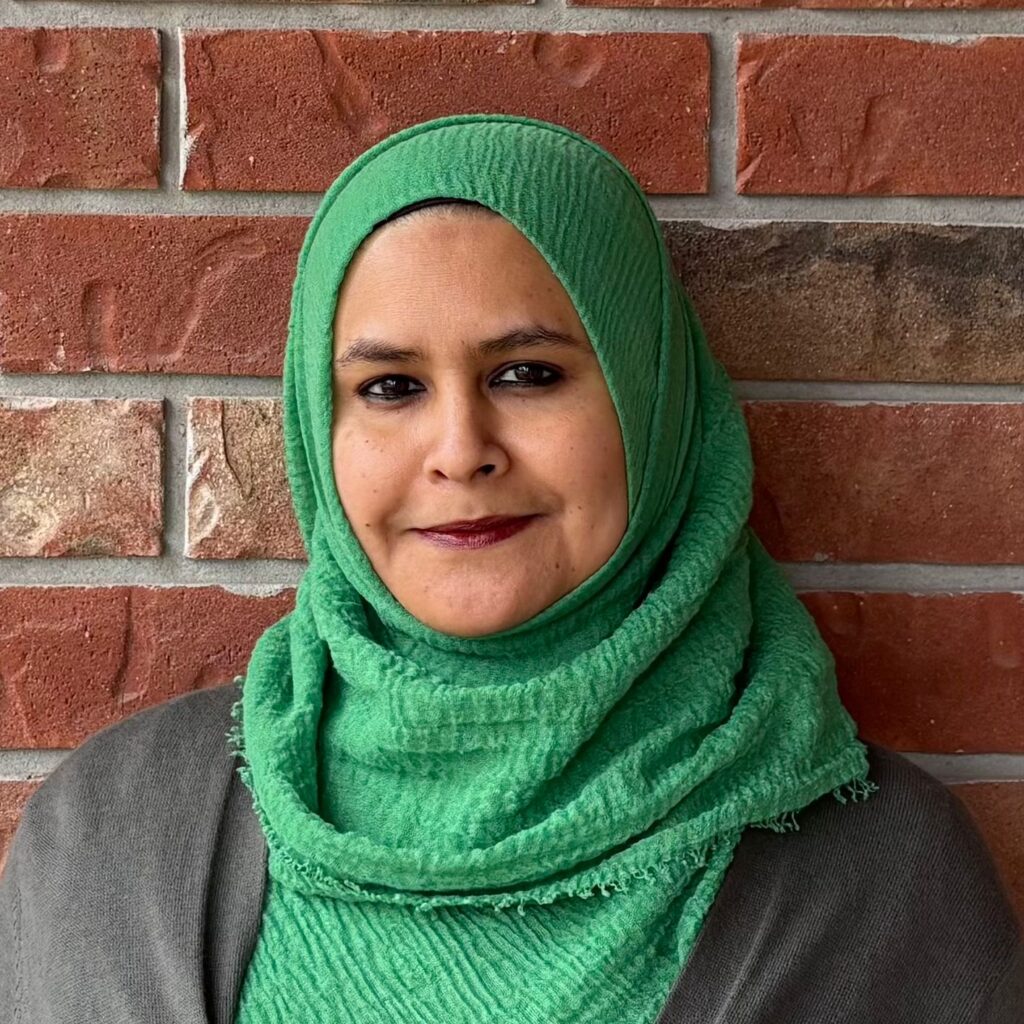
Farhana Moshira
Project Manager
Farhana Moshira, a Carleton University alumna, completed her B.Com from the Sprott School of Business in 2013. She recently concluded her role as Project Coordinator for the QES-AS-WA Scholarship Program at Carleton University and currently serving as the Program manager of the PATH: Equitable Adaptation Pathways for Climate Mobilities project. Prior to that, she held various positions with the Ottawa-Carleton District School Board beginning in 2014. In 2023, she successfully completed two terms as the Ontario Youth Apprenticeship Program (OYAP) Coordinator, supporting students interested in skilled trades. Farhana also worked for over six years as a Bengali language interpreter, helping newcomers and community members with language support. In recognition of her community service, she received the “Volunteer of the Year” award from Volunteer Ottawa in 2014–2015.
London Hub
Dr. Helen Adams
Senior Lecturer
Helen Adams is a Senior Lecturer in Disaster Risk Reduction and Climate Change Adaptation at King’s College London where she teaches on migration, climate change and disaster risk reduction. She currently leads the £5 million, 3-year Maximising UK Adaptation to Climate Change (MACC) Hub; a joint Defra/research council funded research coordination and synthesis hub on adaptation to climate change. Helen’s research uses place attachment to explore migration as an adaptation to climate change. Helen spent several years as a post-doctoral researcher at the University of Exeter, carried out her PhD at the Tyndall Centre for Climate Change Research at the University of East Anglia, and has previously worked on adaptation to climate change in the Climate Change Expert Group of the Organisation for Economic Cooperation and Development and the United Nations Framework Convention on Climate Change. Most recently she was seconded to the UK Cabinet Office to lead on science engagement for the COP26 Presidency. Helen was a Lead Author on Working Group II of the Intergovernmental Panel on Climate Change’s Sixth Assessment report, released in 2022, and a contributing Author to the fifth assessment report.
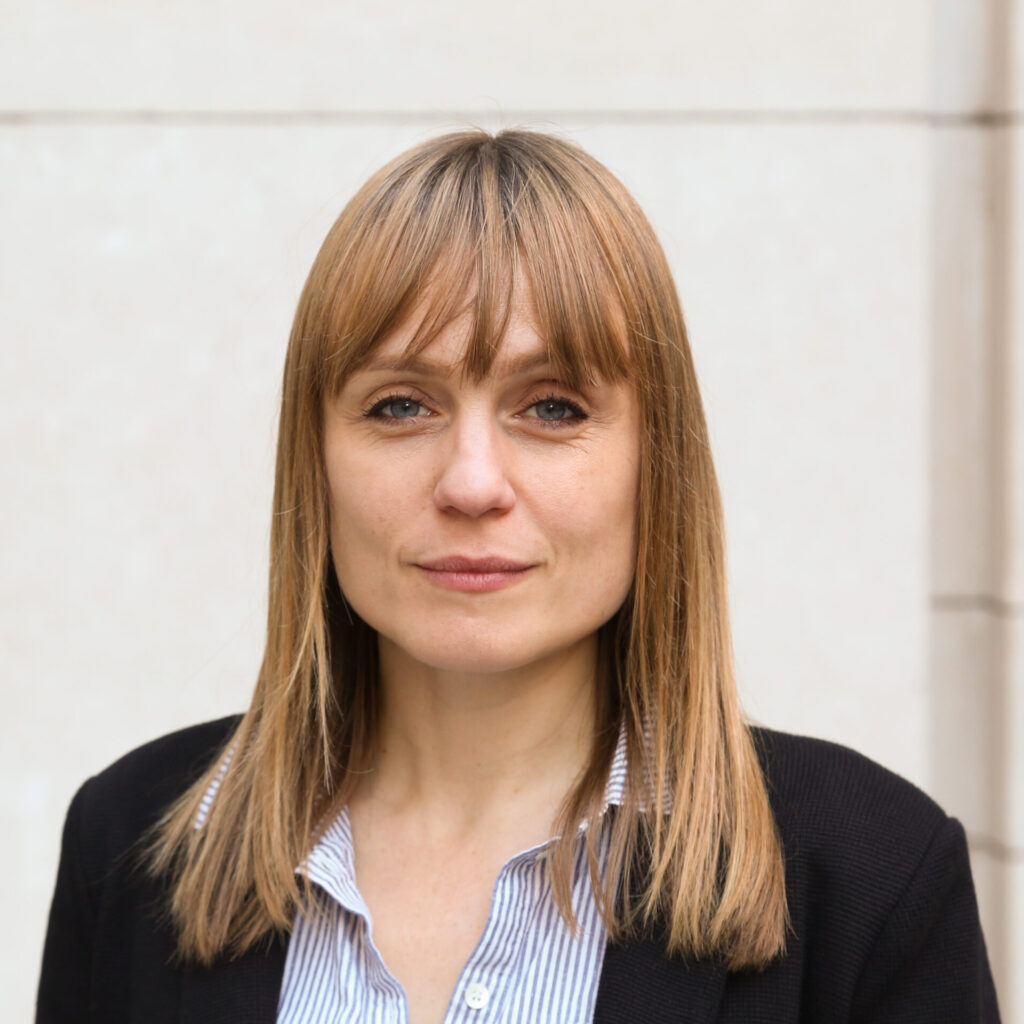
Dr. Shona Paterson
Director, Center for Global Lives
Shona Paterson is the Director the Centre for Global Lives and a Senior Lecturer at Brunel University of London where she teaches on climate change, research impact, and knowledge exchange. As a climate social scientist, her research focuses on the co-design and co-implementation of equitable pathways to sustainability with policy and societal actors. With a special focus on marginalised communities and equity, recent projects include work on adaptation and adaptive capacity in urbanising coastal areas as well as local context governance and justice. Shona’s transdisciplinary work aims to facilitate open discourse around risk and complexity by embracing plural ways of knowing. This includes art-science collaborations to catalyse community-led change in both processes and outcomes. She has research experience in the Caribbean, USA, UK and Ireland, as well as a global perspective through the global research project Future Earth Coasts.
Dr. Camilla Audia
Assistant Professor
Dr. Camilla Audia is an Assistant Professor in Global Sustainable Development in the School for Cross-Faculty studies at the University of Warwick. As an interdisciplinary social scientist, her foundational aim is to bring together people from different institutions, disciplines and backgrounds to research transdisciplinary solutions to complex global challenges. Her core research focus is the examination of relations between climate change, populations and sustainable development through the co-production of knowledge. She was the PI of a NERC Innovation Placement grant on knowledge hierarchies and systems around climate and weather information in Burkina Faso, bridging a gap between climate information users (vulnerable local farmers) and producers, mainly Met Office scientists. She has experience working on several other international grants funded by DFID, NERC, Wellcome Trust and ESRC. Her work is transdisciplinary and grounded in responsible co-production methodologies, approaches for community-led research and arts-based techniques and methods.
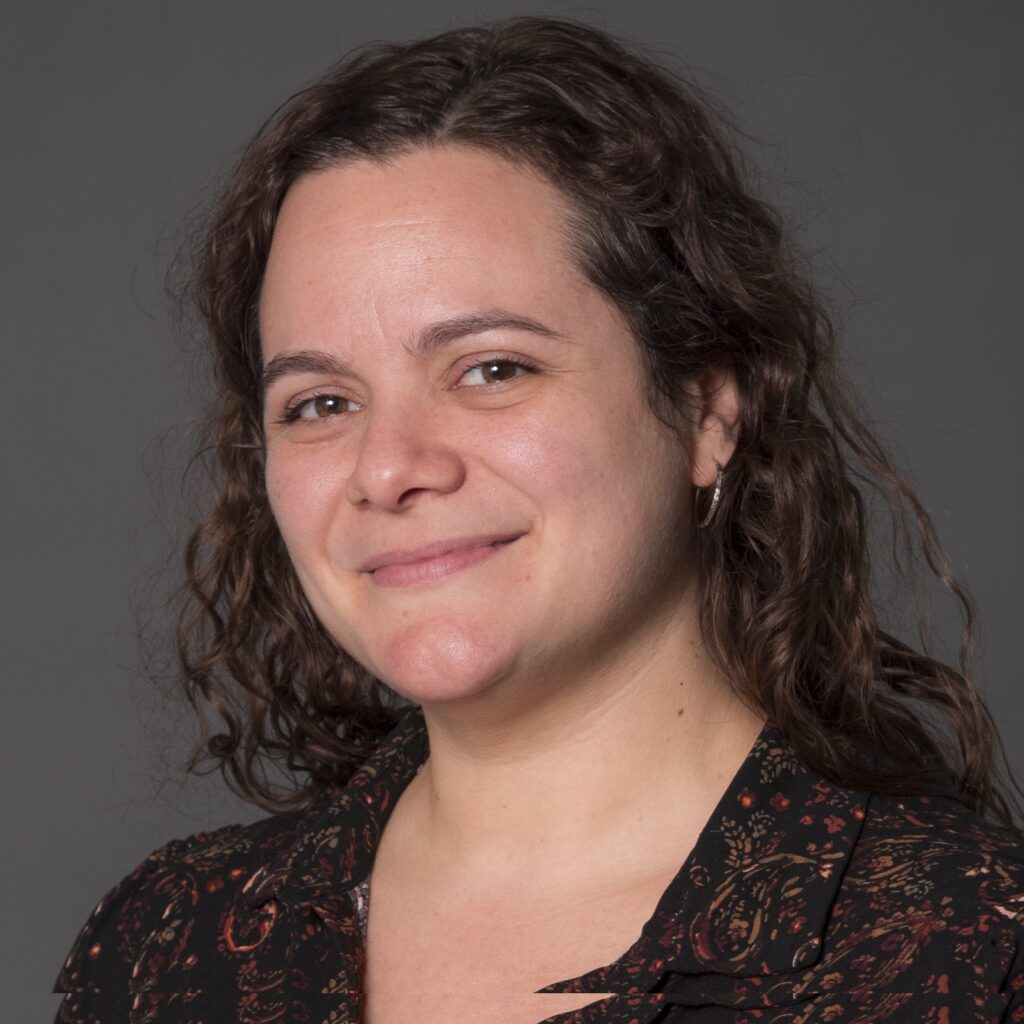
Dr. Priti Mohandas
Postdoctoral Fellow
Priti Mohandas is a postdoctoral researcher at King’s College London in the Department of Geography. Her current work explores climate adaptation, housing precarity, and mobility justice, with a focus on the everyday experiences of migrant communities. Priti trained in Architecture and Urban Design before completing her PhD in Urban Geography at the University of Cambridge, where she examined issues related to gender, state improvement, and transitional housing amongst vulnerable residents in informal housing in Cape Town. Alongside professional architectural practice, Priti has previously worked for UN-Habitat’s Climate Change team as well as a range of grassroots organisations in various contexts including the US, Greece, India, South Africa and Kenya on issues related to community-led design, housing policy, displacement, infrastructure, and energy research, contributing to advocacy at both local and global levels.

Nepal Hub
Dr. Amina Maharjan
Senior Livelihood and Migration Specialist
Dr Amina Maharjan works as a Senior Livelihood and Migration Specialist at the International Centre for Integrated Mountain Development (ICIMOD). She has more than 15 years of experience working as an interdisciplinary researcher and practitioner focusing in the intersection of human mobility, sustainable development, and climate adaptation in the Hindu Kush Himalaya. She is co-PI of the project “Successful Intervention Pathways for Migration as Adaptation (SUCCESS)”, one of the projects under CLARE programme – the UK-Canada framework research programme on Climate Adaptation and Resilience.She also leads the work on systems & foresight thinking at ICIMOD. She was a contributing author in two chapters of the Working Group II of the Intergovernmental Panel on Climate Change’s Sixth Assessment report. She has a Ph.D. in Agriculture from University of Giessen, Germany.
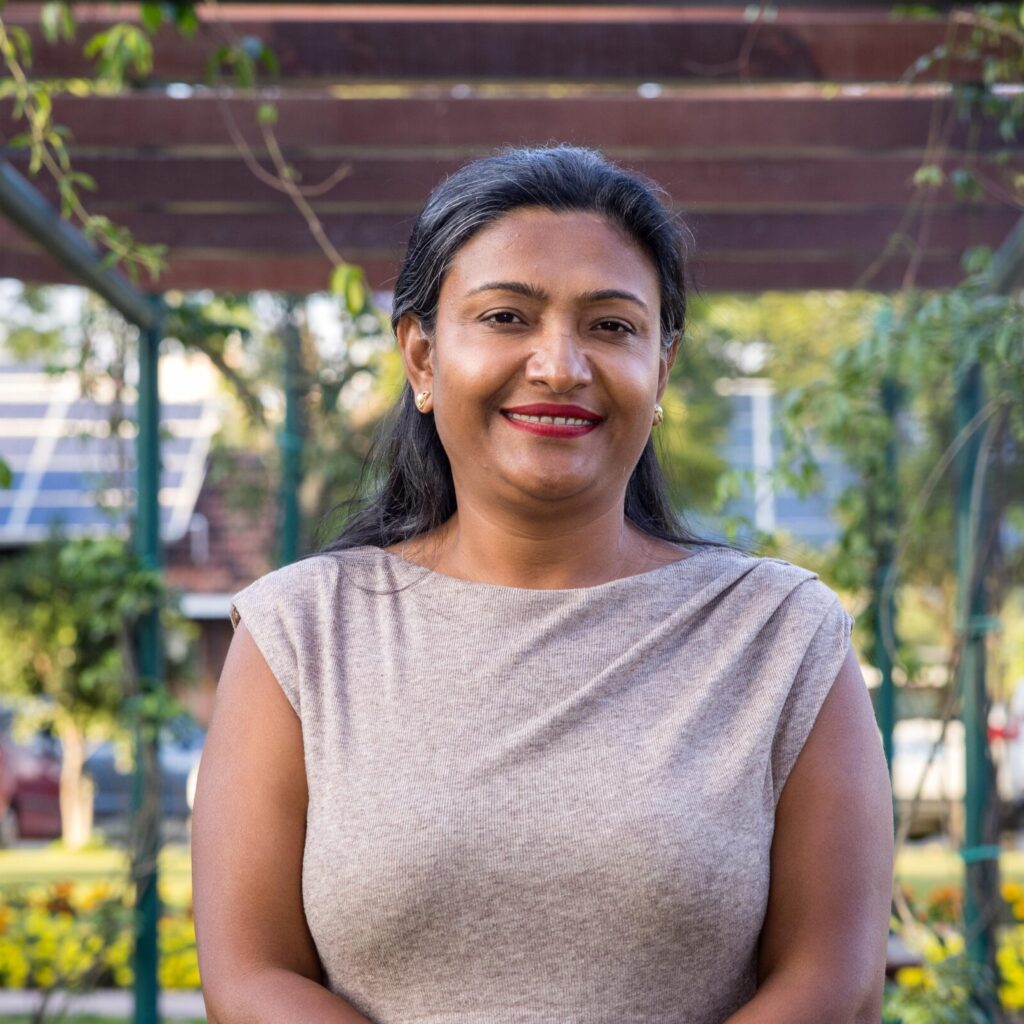
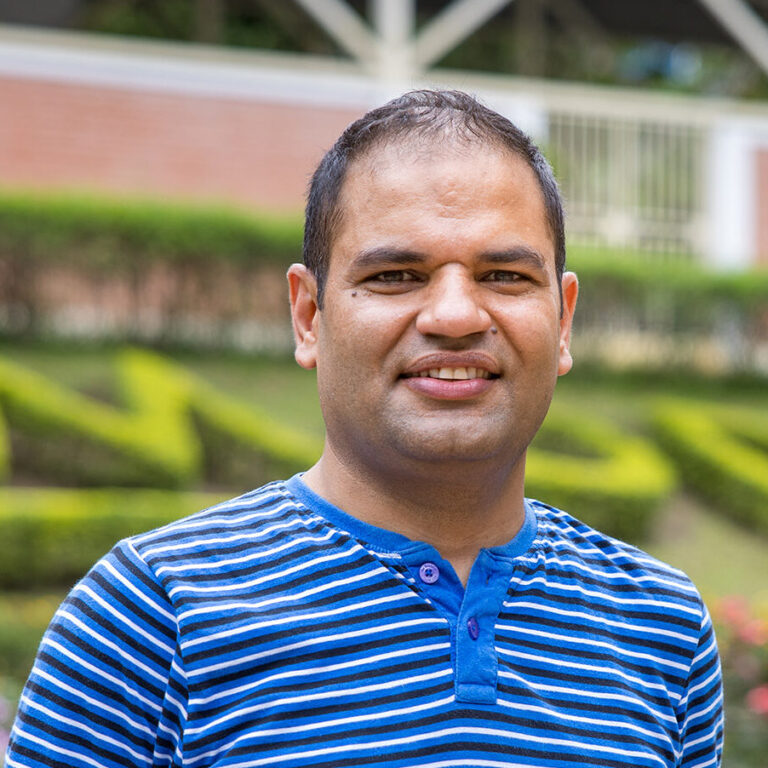
Dr. Ishwari Bhattarai
Research Leader
Ishwari holds a PhD in Sociology from Jawaharlal Nehru University, New Delhi, India, and joined ICIMOD as a migration analyst on 9 June 2025, focusing on understanding the drivers, patterns, and impacts of migration across the Hindu Kush Himalaya (HKH) region. He brings over a decade of research experience in Nepal and India, having previously worked as a researcher at Democracy Resource Center Nepal, where he contributed to projects supported by organisations such as The Asia Foundation, FCDO, USAID, the World Bank, and Westminster Foundation for Democracy. His research has explored topics including the implementation of federalism in Nepal, subnational governance, gender and social inclusion, community identities, indigenous knowledge systems, and natural resource management. Ishwari has published scholarly articles in peer-reviewed journals as well as op-eds in prominent national dailies in Nepal.
Durban Hub
Dr. Catherine Sutherland
Professor
Professor Catherine Sutherland is an urban geographer who specializes in environmental, water and climate governance, with a focus on informal settlements and peri-urban areas in Durban. The theory and practice of local environmental change, urban governance, state–citizen relations and social transformation, and how they shape urban sustainability in cities in the South, are of particular interest in her work. She has worked on disaster risk reduction and climate adaptation at the local and provincial government scale in KwaZulu-Natal. She is an academic in the School of Built Environment and Development Studies at the University of KwaZulu-Natal, a Research Associate in WASH R&D Centre, the University of KwaZulu-Natal, and teaches modules on sustainability, environment and development and environmental governance.
Dr. Shirley Brooks
Professor
Dr. Shirley Brooks is an associate professor at the University of the Western Cape.
Dr. Orli Bass
Senior Lecturer
Orli Bass is a Senior Lecturer in the School of Agricultural, Earth and Environmental Sciences at the University of KwaZulu-Natal, located in Durban, South Africa. Her research interests are in urban identities, cities and culture, gender, mega-events, tourism and recreation, and aspects relating to the geography discipline in South Africa.
Nunavut Hub
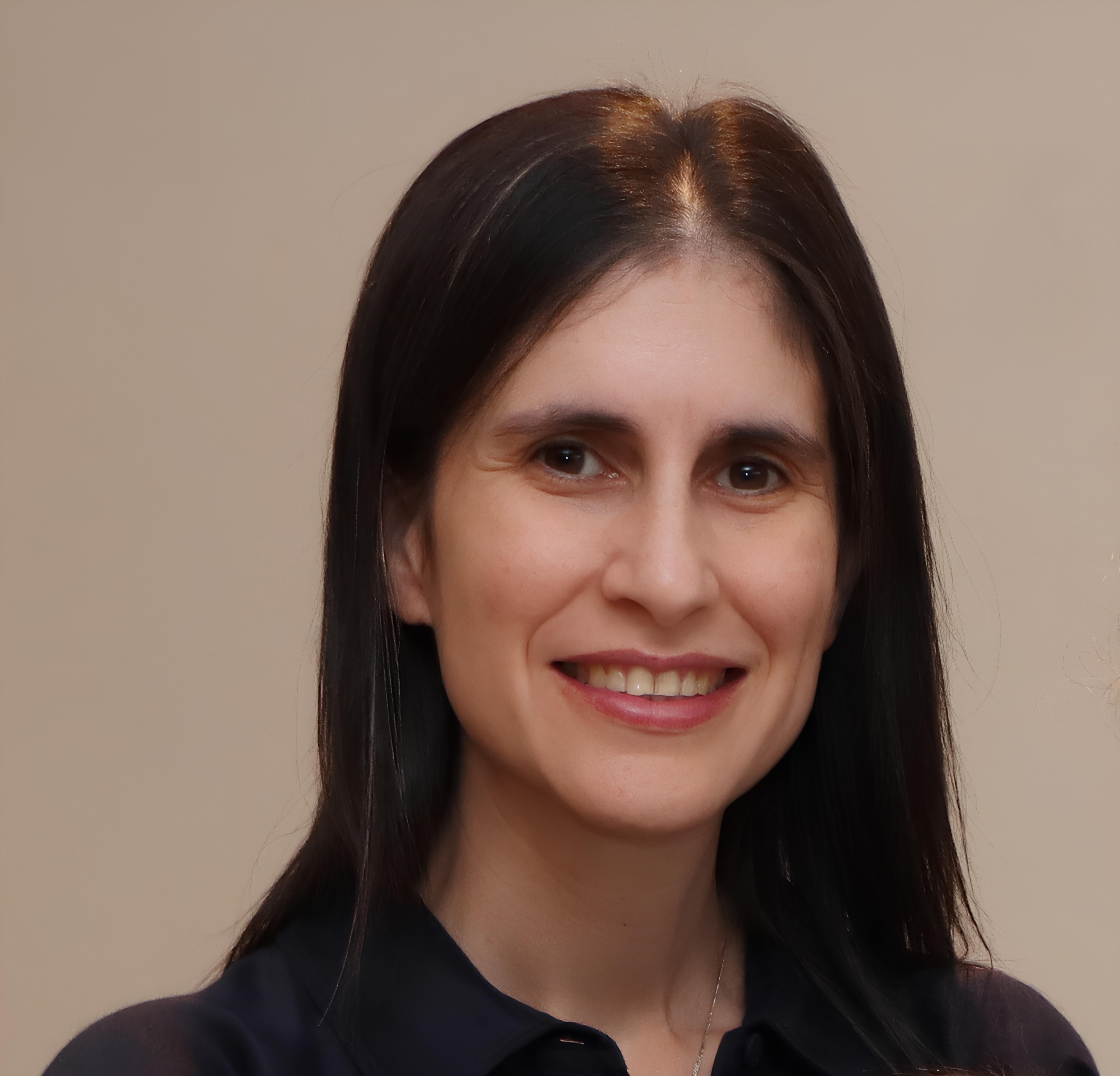
Dr. Amy Caughey
Adjunct Professor
Amy is a public health nutritionist who has worked with Nunavummiut on
a range of initiatives related to food security, early life nutrition, Inuit
country food sovereignty, and the social determinants of health for
Nunavut communities. Amy is a registered dietitian and holds a PhD in
public health. She works as a Research Associate with the University of
Alberta School of Public Health, and the Nunavut Research Institute in
Iqaluit, Nunavut. Amy is a settler in Canada of mixed European descent
and is privileged to live in Iqaluit with her family.
Dr. Sherilee Harper
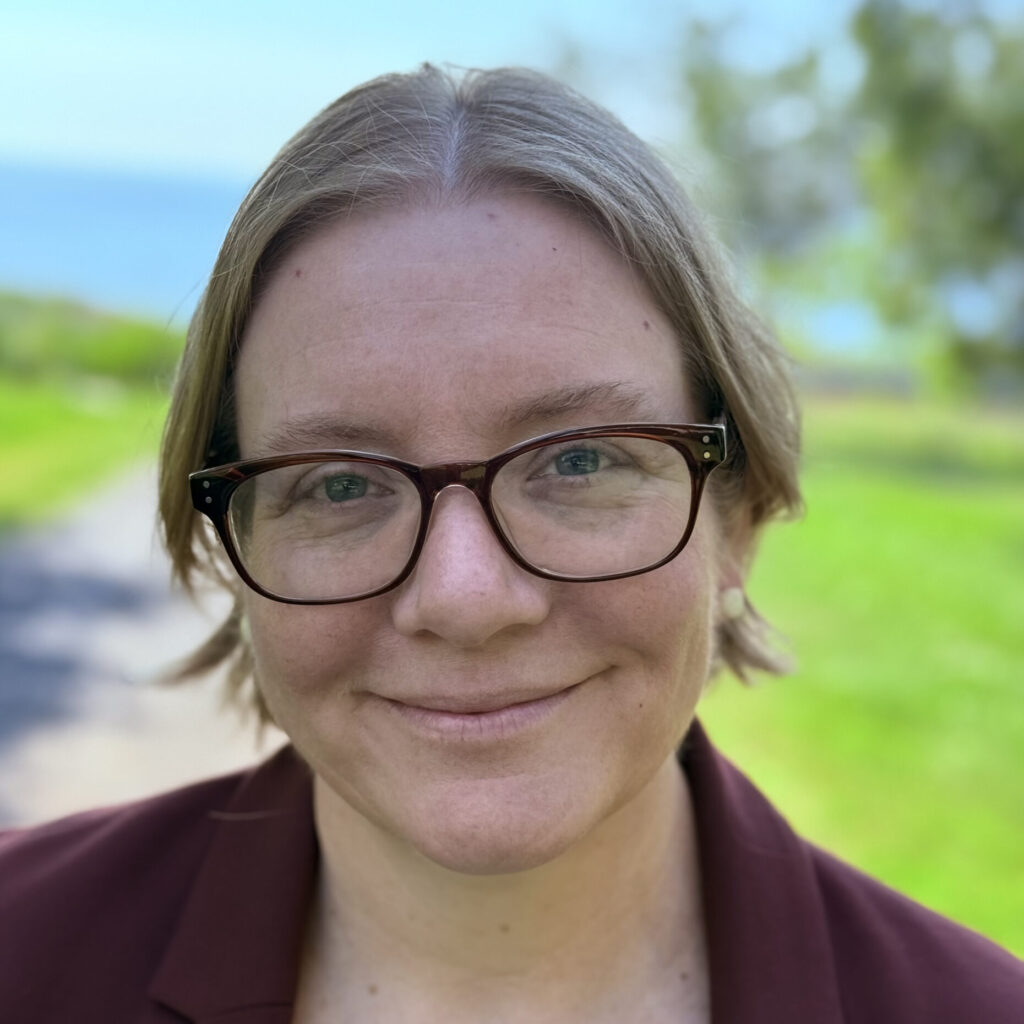
Professor
Dr. Harper is a Canada Research Chair in Climate Change and Health and her research investigates associations between weather, environment, and health equity in the context of climate change, and she collaborates with partners across sectors to prioritise climate-related health actions, planning, interventions, and research. She was a Lead Author on two Intergovernmental Panel on Climate Change (IPCC) reports; served on the Gender Task Group for the IPCC; was a Lead Author on Health Canada’s 2022 Climate Change and Health Assessment; and Co-chaired the Government of Canada’s Health and Wellbeing Advisory Table for the National Adaptation Strategy. She is currently an IPCC Vice Chair (WGI).

External Advisory Committee
Dr. David Wrathall
Advisory Committee Chair
David Wrathall is an Associate Professor at the College of Earth, Ocean and Atmospheric Sciences at Oregon State University. David is an expert on climate change adaptation, livelihoods, human migration, and the justice implications of climate impacts. His research concerns the habitability of planet Earth as the 21st century progresses, and the forms of transformation that will be required for both those living in most affected areas, as well as future climate refuges. David was a lead author on IPCC AR6 (Ch 8: Poverty, Livelihoods and Sustainable Development), and the perspective he gained from IPCC is that time has run out on climate change. The time to transform is now. He is now documenting experiments on personal, institutional, community-level transformations towards more relational ways of being and knowing: towards understanding Earth as a sacred garden.
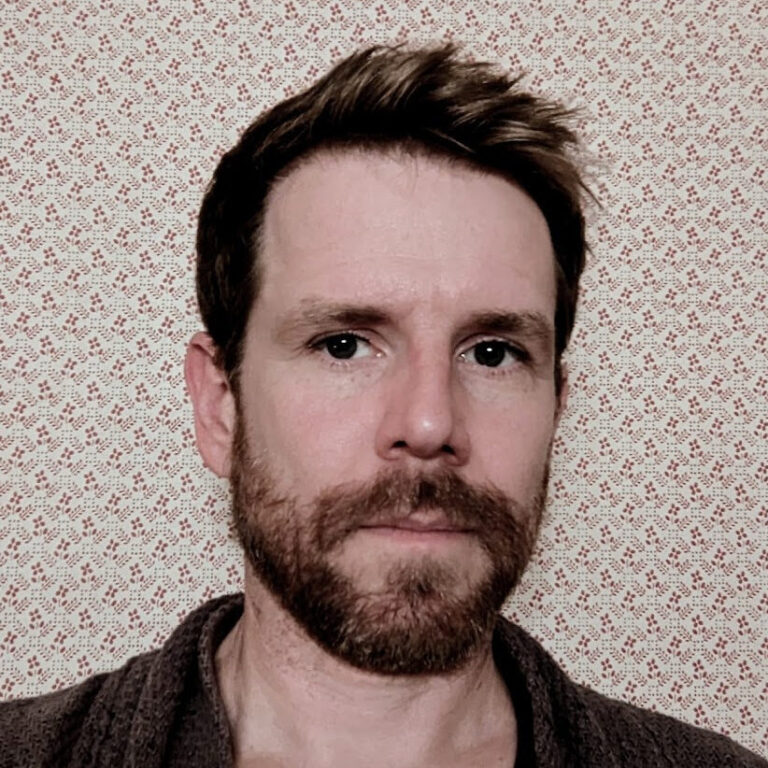
Dr. Georgina Kemp
Advisory Committee Member
Dr. Georgina Kemp is a Senior Program Specialist at Canada’s International Development Research Centre. Georgina supports adaptation research projects across Africa, Asia and Latin America, and she leads the Step Change initiative, a Canada-Netherlands partnership that supports locally-led adaptation in the global South.
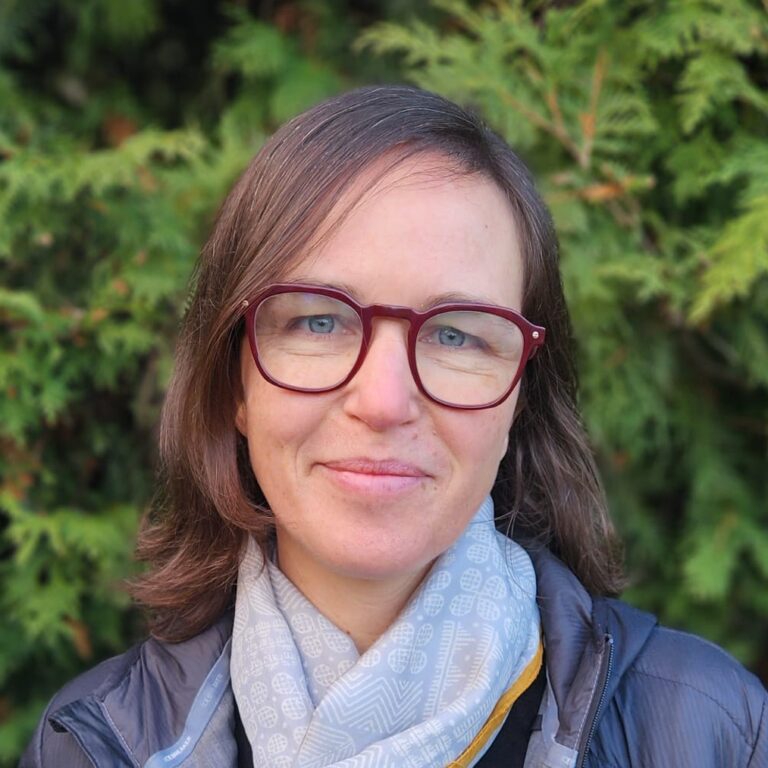
Dr. Hayley Leck
Advisory Committee Member
Hayley Leck is a Senior Specialist in Climate Change Resilience & Research at ICLEI Africa, where she collaborates with local governments and communities to advance locally led climate adaptation and resilience. Holding a PhD in Development Geography, Hayley’s expertise spans urban climate adaptation, governance, and disaster risk reduction. She has led large multi-country projects across Africa and contributed to key reports like the IPCC’s Sixth Assessment and UN-Habitat’s World Cities Reports. A World Social Science Fellow, she bridges research and practice through interdisciplinary engagement and has widely published on climate adaptation, disaster risk, and sustainable urban development.
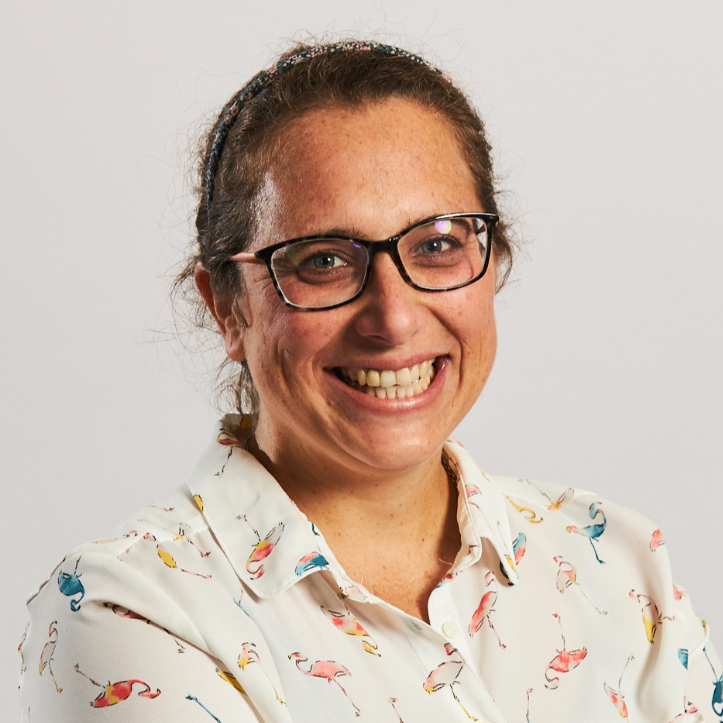
Dr. Arabinda Mishra
Advisory Committee Member
Dr. Arabinda Mishra is an economist with over 30 years of experience in interdisciplinary research, capacity building, and policy engagement on sustainable development, climate change adaptation, and community resilience. He has held leadership roles at ICIMOD in Nepal, TERI and TERI University in New Delhi, and CMDR in Karnataka, India. At ICIMOD (2015–2022), he led livelihoods research and co-edited the first comprehensive scientific assessment of the Hindu Kush Himalaya region. Earlier, he guided India’s National and State climate action plans while at TERI. Dr. Mishra now serves as Senior Advisor with Population Council Consulting and consults for organizations including the Asian Development Bank, IEG, WRI-India, and CEEW. He is a SANDEE Fellow, has served on several high-level committees, and was recently a Review Editor for IPBES’s Transformative Change Assessment.